

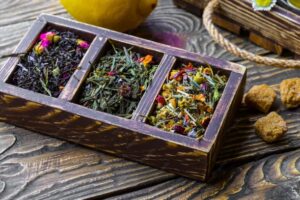

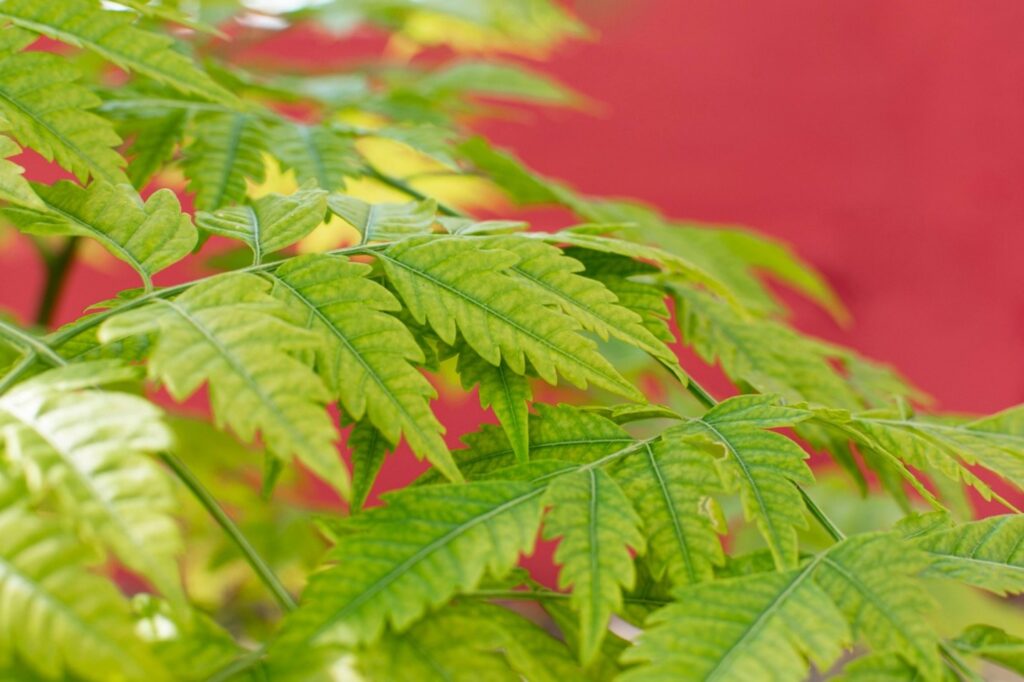
Neem has earned its place in herbal medicine cabinets across generations, and for good reason. Anyone looking to buy neem leaves online today is tapping into a tradition that stretches back centuries, long before wellness trends turned botanicals into a buzzword. This bitter, resilient leaf carries a reputation few plants can match.
Below, we walk through practical, tested ways to use dried neem leaves at home, plus tips for storage, sourcing, and pairing with other herbs.
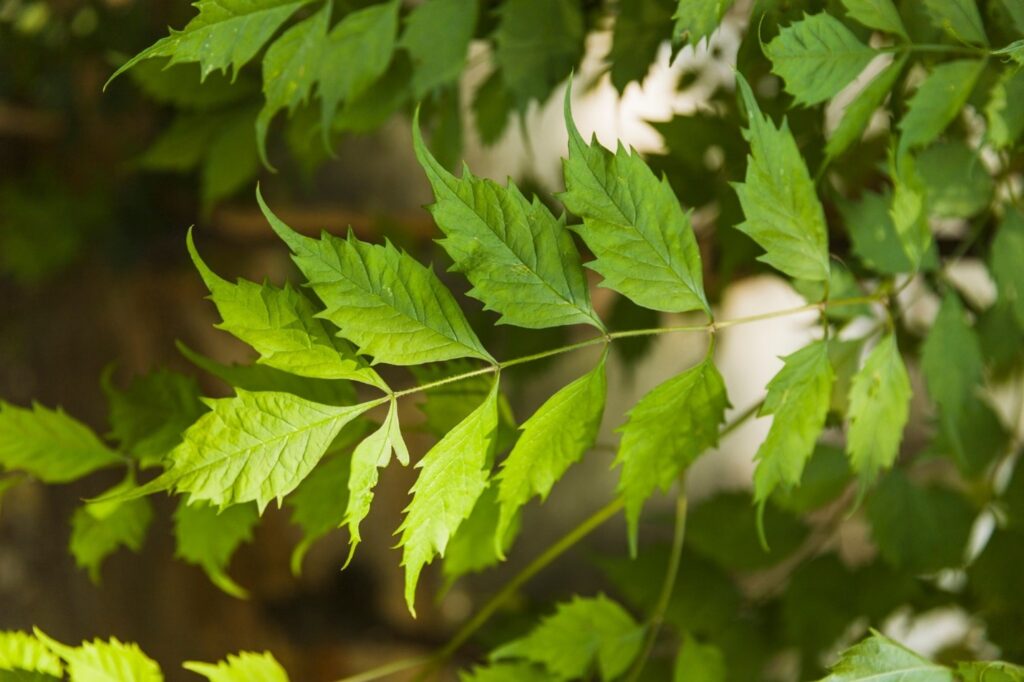
Neem trees grow across tropical regions, and their leaves have been dried, boiled, and blended into remedies for skin care, digestive support, and general wellness routines. The leaf itself tastes sharp and bitter, honestly, not for everyone at first sip.
That bitterness is part of the appeal for herbalists. Many traditional preparations lean on strong-tasting plants because the compounds responsible for the flavour are often the same ones prized for their properties.
We stock organic neem leaves online sourced with care, dried properly, and packaged to retain their natural characteristics. Quality matters here. A leaf that’s been sitting too long or stored poorly loses much of what made it useful in the first place.
Before diving into specific preparations, a few basics help set things up right.
Choosing the Right Leaves
Look for leaves that are:
Leaves that have gone stale lose potency and, frankly, taste worse too.
Neem Tea (Decoction)
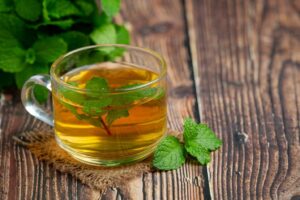
Some people add honey or a slice of ginger to soften the bitterness. Worth trying if the straight version feels too intense.
Neem Powder Paste
Dried leaves can be ground into a fine powder using a mortar and pestle or a small spice grinder. Mix the powder with a bit of water or a carrier oil to form a paste for topical use.
Neem-Infused Oil
Steep dried leaves in a neutral oil, such as coconut or sesame, over low heat for around thirty minutes. Strain and store in a dark glass bottle away from sunlight.
Herbal traditions rarely exist in isolation. Neem often shows up alongside other botanicals in preparations meant to support the skin, aid digestion, or simply serve as a bitter tonic.
Skin Applications
Neem paste has long been applied to minor skin irritations. Grandmothers across many households swear by it, and honestly, the practice has stuck around because people keep finding it useful.
A simple approach:
Digestive Support
Bitter herbs, including neem, have traditionally been used in small doses to support digestion after heavy meals. A weak neem tea, taken occasionally rather than daily, fits into many regional herbal customs.
Hair Care Rinses
Neem-infused water, made by boiling leaves and letting the liquid cool, is sometimes used as a final hair rinse. The practice is common in households that favour natural alternatives over commercial products loaded with synthetic ingredients.
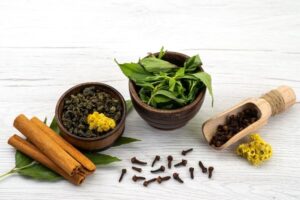
Neem rarely stands alone in traditional formulations. Combining it with complementary botanicals often rounds out the flavour and broadens the intended use.
Popular pairings include:
If you’re building out a home herbal collection, this is also a good moment to consider stocking up on other dried botanicals. For instance, those who buy dried soursop leaves often use them in a similar decoction method, and pairing soursop leaf tea with neem on alternating days is a common practice among herbal tea enthusiasts looking for variety without complicating their routine.
Dried herbs are only as good as how they’re stored. A few practical pointers:
Simple habits like these extend shelf life considerably and keep the leaves ready whenever a preparation calls for them.
Things to Keep in Mind Before Use
Neem is potent, and potent doesn’t always mean gentle. A short list of considerations:
Traditional use doesn’t mean unlimited use. Moderation has always been part of the practice, even in households that have relied on neem for generations.
Not all dried neem leaves are created equal. Leaves harvested at the wrong time, dried too quickly, or stored in poor conditions lose much of their character. When you buy neem leaves online, checking the supplier’s sourcing practices makes a real difference.
Look for sellers who:
A little research before purchasing saves disappointment later, particularly for anyone serious about maintaining an authentic herbal routine.
Dried neem leaves offer a genuinely versatile addition to any herbal collection, whether the goal is a simple tea, a topical paste, or an infused oil. The preparations are straightforward, the tradition behind them runs deep, and the results speak for themselves when quality leaves are used correctly.
At POGLI, we take sourcing seriously, offering dried herbs that reflect the standards these traditional preparations deserve. Anyone building a home herbal practice will find that starting with good leaves, prepared thoughtfully, makes all the difference between a mediocre remedy and one worth repeating.
1. How often can dried neem leaves be used in tea form?
Most herbal practices recommend using neem tea a few times a week rather than daily, since its bitter compounds are quite concentrated.
2. Can dried neem leaves be combined with soursop leaves in one tea blend?
Yes, many people alternate or blend neem with soursop leaf tea for variety, though it’s best to start with small quantities of each to see how your body responds.
3. What is the best way to check if neem leaves are still fresh?
Fresh dried neem leaves hold a deep green color and a strong aroma. If leaves appear faded, brittle beyond normal dryness, or smell musty, it’s time to replace them.
4. Is there a difference between neem powder and whole dried neem leaves?
Whole leaves are typically used for teas and infusions, while powder works better for pastes and topical applications since it blends more smoothly with water or oil.
Share this article:



Subscribe to our newsletter for new tips, products, and offers.
Special Offer